Ross Nussle
September 6, 2026
What the Repair Receipts Won't Tell You
A repair invoice proves you paid for the work. It doesn't prove the work was done right.
If you buy, flip, or hold rental property, you already know the drill. The inspection report comes back with a list of deficiencies, you negotiate, the seller or your contractor agrees to fix the items, and a few weeks later you get a stack of receipts and a text that says "all done." Most investors stop there. They close, they list, or they hand the keys to a tenant.
That is the moment where a lot of money quietly leaks out of a deal. A re-inspection is a short, inexpensive visit that answers one question: were the repairs actually completed, and were they completed correctly? Here is why that question is worth asking every single time.
Repairs get done by the lowest bidder, on the seller's schedule
When a seller agrees to make repairs as part of a contract, they have every incentive to spend as little as possible and finish as fast as possible. They are not going to own the house next month. The contractor they hire knows that too. The result is often a repair that looks finished from across the room and falls apart under a flashlight.
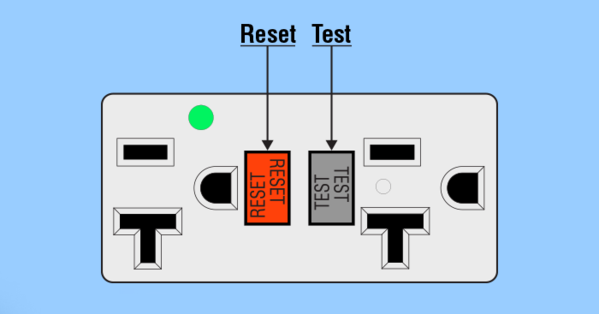
I have seen "repaired" roof penetrations that were a bead of caulk over a cracked pipe boot. I have seen GFCI protection "added" by installing a receptacle with the correct face and no actual ground-fault trip. I have seen a foundation "leveled" with a handful of shims under a beam and nothing else. Every one of those came with an invoice.
A re-inspection puts a set of eyes on the work that has no financial interest in calling it done.
The invoice tells you what was billed, not what was installed
Receipts are useful. They give you a paper trail and they tell you who to call if something fails. What they cannot tell you is whether the water heater was strapped and vented correctly, whether the new breaker matches the wire gauge, whether the flashing was tucked under the shingles or just laid on top, or whether the plumber replaced the section of pipe that was actually leaking.
Contractors are human. They rush, they substitute materials, they misread the report, and sometimes they fix a symptom instead of the cause. A re-inspection compares the finished work against the original deficiency, not against the description on the invoice.
Repairs open up new problems
This is the part most investors don't expect. Fixing one item frequently disturbs something next to it. A plumber replacing a shutoff valve under a sink can crack the drain trap. An electrician adding a circuit can leave the panel cover off, knock a neutral loose, or run cable without proper protection. A roofer replacing a few shingles can crush a vent stack or leave the attic full of debris and nails.
None of that shows up in the original report because it did not exist yet. A re-inspection is the only point in the process where those new issues get caught before you own them.
The cost math is lopsided in your favor
A re-inspection is a fraction of the cost of the original inspection and usually takes less than an hour. Compare that to the cost of finding out a "repaired" item was not repaired after closing, when the seller's obligation has ended and the problem is yours.
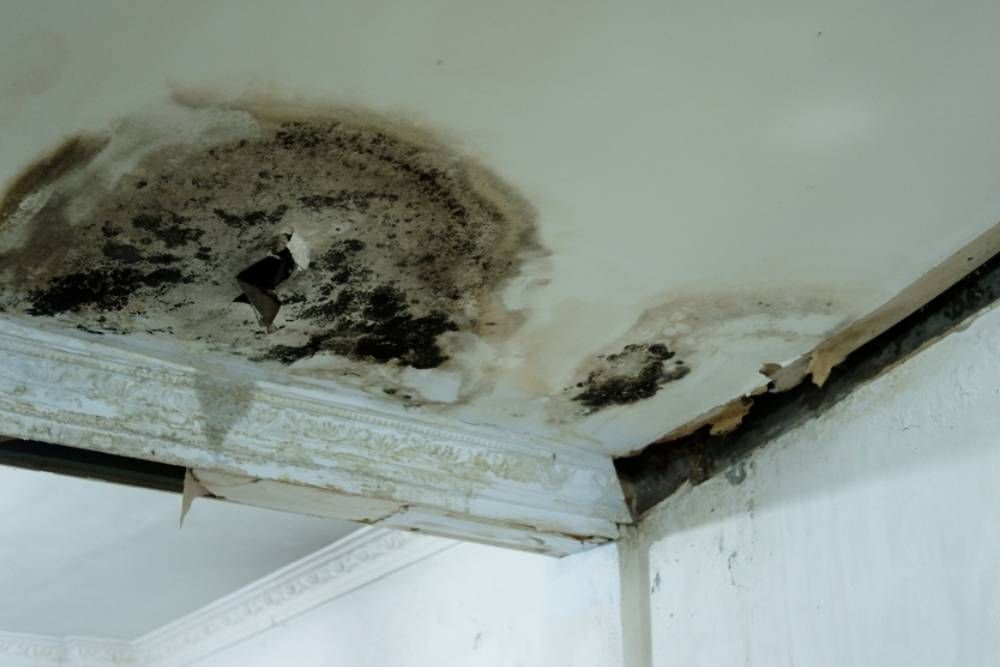
A missed roof leak turns into ceiling drywall, insulation, and possibly framing. A missed electrical defect can become a fire claim. A shower pan that was never actually replaced can rot a subfloor under new tile that you now have to tear out. On a flip, any one of those wipes out more margin than a decade of re-inspection fees. On a rental, it becomes an emergency call from a tenant at the worst possible time.
It gives you leverage before closing, not after
If the re-inspection finds that repairs were incomplete or done poorly, you still have options. You can ask for the work to be corrected, negotiate a credit, or walk away if the contract allows it. After closing, you have none of those. Your remaining recourse is a lawsuit or a warranty claim against a contractor you did not hire, and both are slow, expensive, and uncertain.
The re-inspection report itself becomes documentation. If a seller pushes back, you are not arguing about opinions. You have dated photos and written findings from a licensed inspector.
It keeps your own contractors honest
For investors who manage their own renovations, a re-inspection serves a different purpose. It is quality control on your crew. When contractors know an independent inspector is going to check the work at the end of the job, the work gets better. You catch the shortcuts on the first property, not the fifth, and you find out which trades you can trust before you scale.
On larger renovations, the same idea can be extended. A walkthrough while walls are open, before drywall and tile go in, lets an inspector see the plumbing, wiring, and framing that will be invisible a week later. A final inspection at completion confirms everything was finished. Concealed problems are the expensive ones, and the rough-in stage is the last time anyone gets to look at them without demolition.
What a re-inspection actually covers
A re-inspection is not a second full inspection. The inspector returns to the property with the original report and the list of agreed repairs, then checks each item. For every one, you get a plain answer: repaired, not repaired, or repaired improperly, along with photos. If the repair work created a new problem, that gets noted too.
Things like a shower pan flood test, thermal imaging around repaired roof or plumbing areas, and moisture readings on patched drywall can all be part of this visit. They are quick, and they are the difference between "it looks fine" and "it is fine."
The bottom line
A repair agreement is a promise. A re-inspection is how you find out whether the promise was kept. For an investor, the fee is small, the visit is short, and the downside of skipping it is measured in thousands of dollars and months of headaches.
Get the repairs. Then get them checked.
SFR Inspections provides TREC-licensed home and commercial inspections, re-inspections, and phased renovation inspections for investors. Contact us to schedule a re-inspection before your next closing.
Social Connection