Ross Nussle
October 8, 2024
Unclogging the Mystery of Your DFW Home's Pipes and Fixtures
When it comes to home inspections in the Dallas-Fort Worth area, plumbing issues often take center stage. The unique challenges posed by Texas's climate, soil conditions, and varying ages of homes make plumbing inspections a crucial part of maintaining or purchasing a property. Let's dive into what a professional DFW home inspector looks for when examining your home's plumbing system.
One of the primary concerns in Texas homes is foundation shifting, which can wreak havoc on plumbing systems. The expansive clay soils in the DFW area are notorious for their movement, potentially causing pipes to bend, break, or separate. A thorough inspection involves checking for signs of foundation-related plumbing issues, such as uneven water pressure, unexplained wet spots in the yard, or unusual sounds in the pipes.
Water quality is another significant factor in Texas homes. The hard water common in many DFW areas can lead to mineral buildup in pipes and fixtures, reducing water flow and efficiency. Inspectors will look for signs of scale accumulation and may recommend water softening systems or regular maintenance to prevent long-term damage.
In older DFW homes, outdated plumbing materials can be a significant issue. Galvanized pipes, common in houses built before the 1960s, are prone to corrosion and can leach harmful substances into the water supply. Inspectors will identify the types of pipes used in the home and recommend replacements if necessary.
The scorching Texas summers put extra strain on water heaters. Inspectors will check the age and condition of the water heater, looking for signs of corrosion, leaks, or inefficiency. They'll also ensure that safety features like pressure relief valves are installed to prevent dangerous situations.
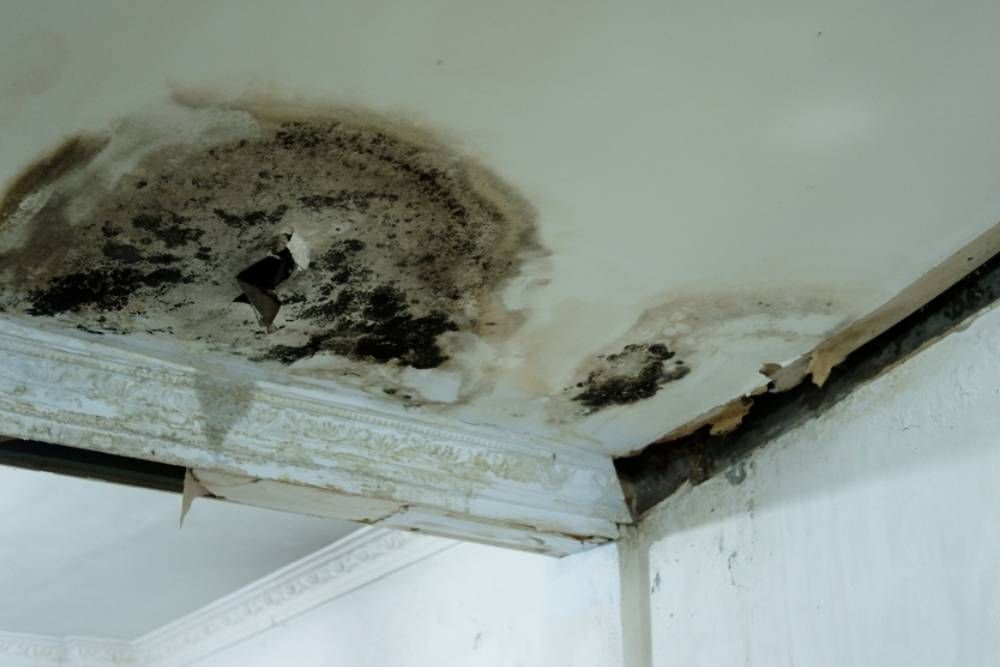
Proper drainage is crucial in a state prone to sudden, heavy rainfalls. Inspectors will examine gutters, downspouts, and grading around the house to ensure water is directed away from the foundation. They'll also check for signs of previous water damage or mold growth that might indicate ongoing drainage issues.
In the bathroom, inspectors look for common problems like leaky faucets, running toilets, and poor caulking around tubs and showers. These issues not only waste water but can also lead to more significant problems if left unaddressed.
For those buying or selling a home in the DFW area, a comprehensive plumbing inspection can be a make-or-break factor. It provides buyers with crucial information about potential repair costs and gives sellers the opportunity to address issues before they impact the sale.
In conclusion, plumbing inspections in Texas homes go far beyond checking for dripping faucets. They involve a complex assessment of various systems that are vital to your home's functionality and value. By understanding what your DFW home inspector looks for, you can better maintain your property and make informed decisions when buying or selling. Remember, when it comes to plumbing, what's out of sight shouldn't be out of mind.
Social Connection