Ross Nussle
November 24, 2025
Make Confident Decisions With a Clear Understanding of Your Inspection Findings
Buying a home in the Dallas–Fort Worth metroplex—whether it’s in Frisco, Prosper, McKinney, Arlington, Fort Worth, or anywhere across North Texas—is one of the biggest purchases you’ll ever make. A professional home inspection gives you valuable insight into the property’s condition, but the real value comes from knowing how to interpret the report.
Most inspection reports are packed with photos, comments, and technical terminology. If you’re not familiar with the format, it’s easy to get overwhelmed. The good news? With just a few tips, you’ll be reading your inspection report like a seasoned real-estate pro.
1. Start With the Summary Page
Every well-structured inspection report includes a summary section—often found near the front or back of the report, or as it's own PDF. This is where your inspector highlights the most important findings:
- Safety issues
- Major defects
- Items that need immediate attention
- Recommended repairs or further evaluation
Think of it as your “priority list.”
If you’re negotiating repairs or credits in a competitive DFW market, this page is your starting point.
2. Understand the Color Coding or Rating System
Most inspectors, including SFR Inspections, use a standardized rating system to help you quickly identify the severity of each item. Common categories include:
- Inspected
- Not Inspected
- Not Present
- Deficiency
This system helps you separate normal homeownership items (like worn caulking) from significant concerns (like foundation movement, electrical hazards, or active leaks).
3. Don’t Get Hung Up on the Length of the Report
A typical DFW home inspection report can range from
40 to 100+ pages depending on the home’s age, size, and features.
More pages does
not mean the house is in bad condition.
Texas inspectors are required by TREC (Texas Real Estate Commission) to document a lot of details—even minor ones. Many “deficiencies” are common maintenance items every homeowner will deal with at some point.
4. Pay Close Attention to Photos and Captions
Photos are your best friend.
Good inspectors include:
- Arrows pointing to the issue
- Labels identifying components
- Clear captions explaining what you’re looking at
This visual detail makes it easier to understand not just what is wrong, but where it is and why it matters.
5. Differentiate Between Cosmetic and Structural Issues
Not all deficiencies are created equal.
You’ll typically see issues fall into categories such as:
Maintenance Items
- Minor cracks in drywall
- Touch-up paint
- Dirty air filters
- Loose door hardware
Observed Deficiency
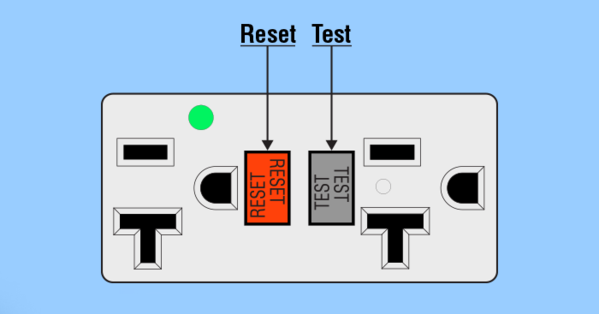
- Missing GFCI outlets
- Leaking supply lines
- Damaged siding
- Small roof flashing issues
Major Deficiency / Safety-Related Concerns
- Foundation movement
- Electrical hazards
- Roof leaks
- Gas leaks
- Plumbing failures
- HVAC malfunction
Focusing on the items that impact safety, structure, or system performance will help you make smart decisions.
6. Look for Patterns, Not Isolated Issues
A single cracked tile? Not a big deal.
Multiple signs of moisture intrusion? Worth a closer look.
Patterns could indicate:
- Ongoing roof leaks
- Failing grading or drainage
- Foundation distress
- Electrical system issues
- Plumbing problems hidden behind walls
Your inspector should help you understand whether findings are isolated or part of a larger concern.
7. Ask Your Inspector Questions—Don’t Guess
A good DFW home inspector welcomes questions.
If something in the report is unclear,
ask. Most inspectors (including SFR Inspections) are happy to:
- Jump on a call
- Send a clarifying message
- Explain repair options
- Provide context around severity
Remember: You’re not expected to know everything. That’s why you hired a professional.
8. Use the Report Strategically in Negotiations
Your home inspection report is more than information—it’s leverage.
Buyers often use the report to:
- Request repairs
- Negotiate seller credits
- Update their offer
- Budget for future improvements
Your agent will help you determine what’s reasonable to ask for, especially in DFW’s fast-moving market.
9. Review Limitations & Disclaimers
This part is overlooked the most—but it matters.
Every report includes limitations, such as:
- Areas obstructed by personal property
- Weather-restricted roof access
- Inaccessible attics or crawlspaces
- Systems not tested due to safety risks
Understanding what wasn’t inspected helps you know whether follow-up evaluations are needed.
10. Keep the Report as a Future Maintenance Guide
Even after closing, your inspection report becomes a road map for future upkeep.
Use it to:
- Plan maintenance
- Budget for upgrades
- Monitor previous issues
- Document improvements over time
Homes change—and having a baseline record is invaluable.
Final Thoughts
Reading your home inspection report shouldn’t feel overwhelming. With the right guidance and a clear, well-organized report, you can confidently move forward in your home-buying process.
At SFR Inspections, we provide thorough, easy-to-read reports with photos, clear explanations, and a non-alarmist approach. Whether you’re buying, building, or preparing for your builder warranty inspections anywhere in the DFW metroplex, our goal is to give you clarity—not confusion.
Schedule your inspection today!
Social Connection