Ross Nussle
November 7, 2024
Uncovering Hidden Issues in DFW's Vintage Properties
The charm of older homes in the Dallas-Fort Worth area is undeniable, but beneath their character and history often lie issues that only a trained eye can spot. DFW home inspectors frequently encounter certain red flags in vintage properties that potential buyers and current owners should be aware of. Let's explore the top five issues that commonly arise during inspections of older Texas homes.
- Foundation Problems: In the DFW metroplex, foundation issues are a prevalent concern, especially in older homes. The region's expansive clay soils, coupled with years of settling, can lead to significant foundation damage. Home inspectors look for telltale signs such as cracks in walls (particularly around doors and windows), uneven floors, and doors that don't close properly. In severe cases, they might observe exterior brick separation or chimney lean. Given the potential for costly repairs, foundation issues are often at the top of an inspector's watchlist for older DFW homes.
- Outdated Electrical Systems: Many older homes in Texas were built before modern electrical demands became the norm. Inspectors frequently encounter outdated wiring, including knob-and-tube or aluminum wiring, which can pose serious fire hazards. Insufficient electrical panels, lack of ground fault circuit interrupters (GFCIs) in wet areas, and overloaded circuits are common findings. These electrical issues not only present safety concerns but can also be expensive to update to meet current code requirements.
- Plumbing Woes: Plumbing systems in older DFW homes often show signs of wear and tear. Galvanized pipes, common in homes built before the 1960s, are prone to corrosion and can lead to low water pressure or contaminated water. Inspectors also look for outdated or deteriorating sewer lines, which can be particularly problematic in homes with mature trees whose roots may have invaded the pipes or homes with cast iron piping. Additionally, the presence of lead pipes or lead solder in plumbing joints is a serious health concern that inspectors are trained to identify.
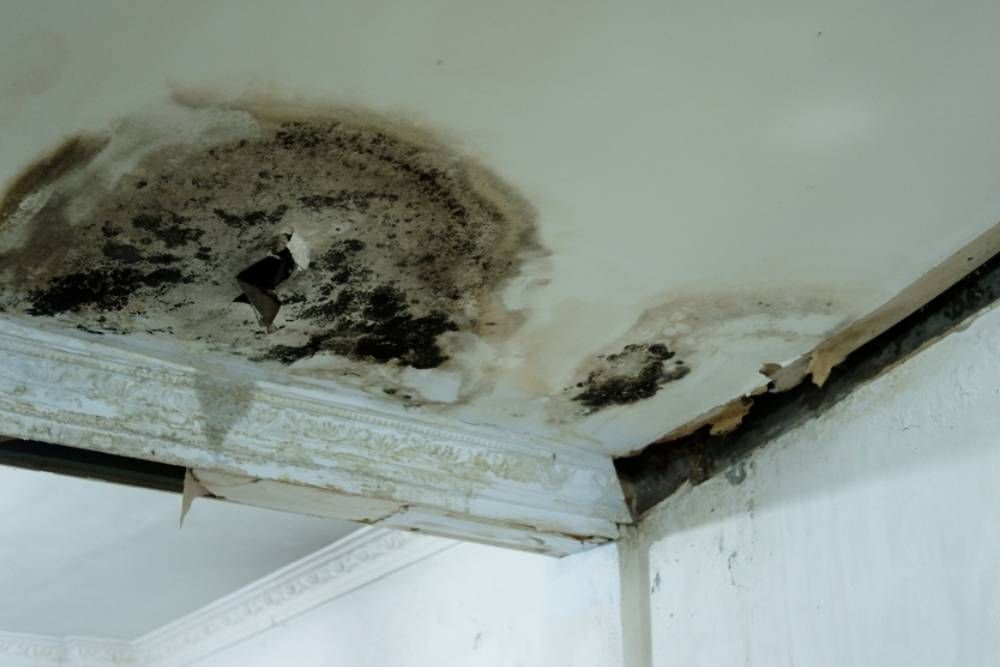
- Roof and Attic Issues: The harsh Texas climate takes a toll on roofs, and older homes often show signs of this wear. Inspectors carefully examine roof conditions, looking for damaged or missing shingles, improper flashing, and signs of past leaks. In the attic, they check for adequate ventilation and insulation, which are crucial for energy efficiency in the extreme Texas weather. Pest infestations, particularly from rodents or bats, are also common findings in the attics of older DFW homes.
- Presence of Hazardous Materials: Older homes in Texas may contain materials that are now known to be hazardous. Asbestos, once commonly used in insulation, floor tiles, and textured ceilings, is a frequent concern. Lead-based paint, used in homes built before 1978, is another hazardous material that inspectors look out for, especially in areas where paint is chipping or peeling. Although the materials aren’t tested by a home inspector to confirm asbestos or lead, they can identify potential materials containing these materials and recommend you to a specialist who will test the materials.
While these red flags are common in older DFW homes, it's important to note that their presence doesn't necessarily mean the house is a lost cause. Many of these issues can be addressed with proper renovation and updating. However, they do require attention and often significant investment to remedy.
For buyers interested in older homes in the Dallas-Fort Worth area, a thorough inspection by a qualified DFW home inspector is crucial. It can reveal the true condition of the property beyond its charming facade and help in making an informed decision. For current owners of older homes, regular inspections can catch these issues early, potentially saving thousands in repair costs and ensuring the home remains safe and comfortable for years to come.
In conclusion, while older homes in Texas offer unique character and historical value, they also come with their own set of challenges. Being aware of these common red flags can help homeowners and potential buyers approach these properties with open eyes and realistic expectations, ensuring that the charm of an older home doesn't blind them to potential pitfalls.
Social Connection